Water Softener vs Whole House Water Filter – Which Does Your Lenexa Home Need?
Homeowners in Lenexa, Overland Park, Olathe, and the surrounding Kansas City metro area frequently ask the same question: do I need a water softener, a whole house water filter, or both? It’s a fair question—the two systems address different water problems, and choosing the wrong one means spending money on a system that doesn’t solve the actual issue with your water.
This guide explains what each system does and helps you determine whether your home may benefit from water softener installation, whole house water filtration, or a combination of both.
What a Water Softener Does
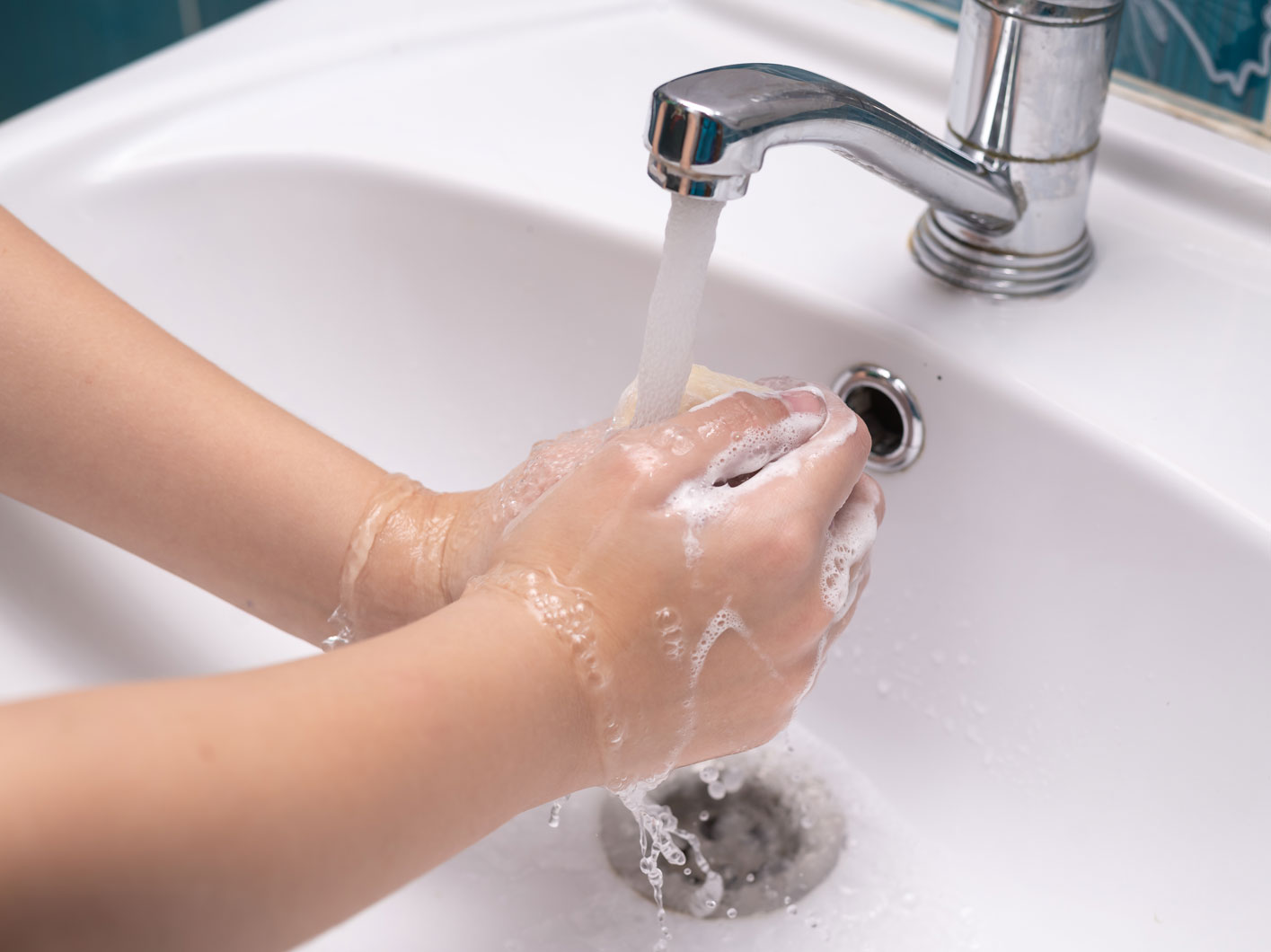 A water softener addresses one specific problem: hard water. Hard water contains a high concentration of dissolved calcium and magnesium minerals. This is a normal condition for municipal water in the Kansas City area, including Lenexa, Overland Park, and Olathe, where regional water sources can pick up mineral content before reaching your tap.
If you are seeing white buildup around faucets, spots on clean dishes, or reduced soap lather, a professionally installed water softener may be the right solution for your home.
The Effects of Hard Water
Hard water is not generally a health concern. It is, however, a household management problem that can create inconvenience and added costs over time.
- Scale buildup. Calcium and magnesium deposits accumulate inside water heaters, dishwashers, coffee makers, and anywhere hot water sits or evaporates. Scale can reduce appliance efficiency, shorten equipment lifespan, and clog fixtures and showerheads over time.
- Soap and detergent inefficiency. Hard water minerals react with soap and can create soap scum instead of a rich lather. You may use more detergent in the dishwasher and washing machine, get less lather in the shower, and notice mineral deposits on dishes and glassware.
- Skin and hair effects. Many people with hard water report dry-feeling skin and dull hair, often because soap residue does not rinse away as easily in hard water.
How a Water Softener Works
A water softener uses an ion-exchange process to remove calcium and magnesium ions from water and replace them with sodium ions. The result is soft water that lathers more easily, leaves fewer scale deposits, and is gentler on plumbing fixtures and water-using appliances.
Traditional water softeners require periodic regeneration with salt and produce a brine discharge that goes to the drain. They do not filter water in the broader sense. Instead, they are designed specifically to address mineral hardness. If scale and soap performance are your biggest concerns, water softener installation is typically more relevant than filtration alone.
Learn More About Professional Water Softener Installation.
What a Whole House Water Filter Does
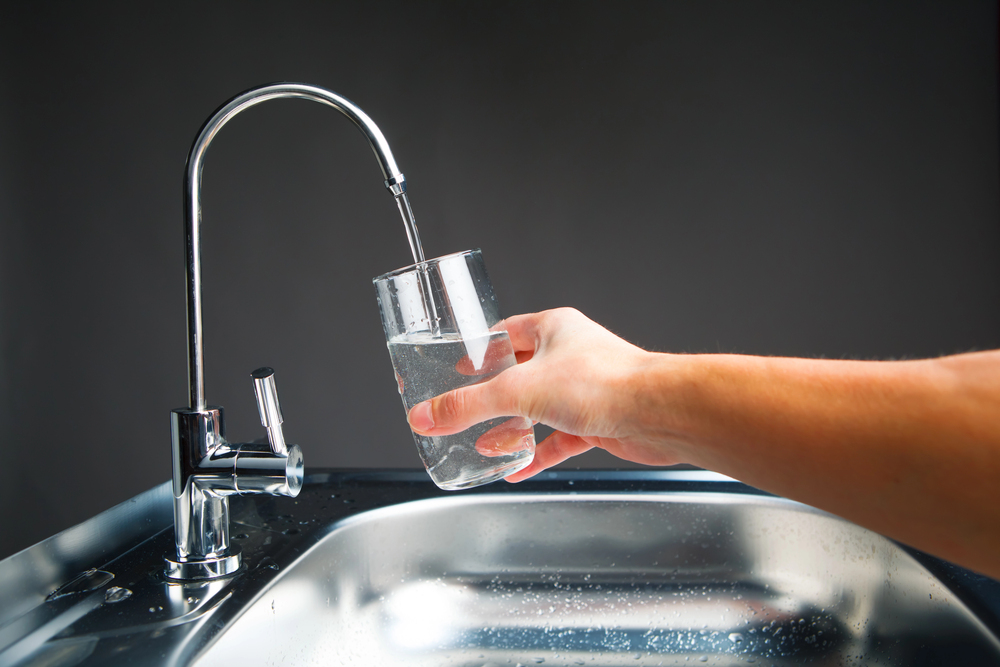 A whole house water filter, also called a point-of-entry filter, treats water as it enters your home before it reaches individual fixtures and appliances. Unlike softeners, which use chemical exchange to address hardness, whole house water filtration systems use physical filtration media to reduce a range of substances in the water.
The right filtration system depends on what is actually present in your water. Some homes need basic sediment or carbon filtration, while others may need specialty media designed for a specific water-quality issue.
What Whole House Filters Remove
Whole house filtration systems can vary significantly depending on the type of media and the water problem being addressed.
- Sediment filters. These remove particulate matter such as sand, silt, rust, and debris that may enter from the municipal system or aging pipes. Sediment filtration is often the first stage in a multi-stage whole house filter system.
- Carbon filters. These can adsorb chlorine, chloramines, and volatile organic compounds (VOCs). Municipal water suppliers use disinfectants to make water safe, but chlorine and chloramines can affect water taste and odor. Many homeowners also prefer to reduce them before water reaches showers and drinking-water fixtures.
- Specialty media filters. These can address issues such as iron, hydrogen sulfide odors, heavy metals, or nitrates, depending on the source of the problem and water-test results.
For homeowners who dislike chlorine taste, notice sediment, or have a specific odor or staining concern, a whole house water filtration system can provide more targeted treatment than a softener alone.
What Whole House Filters Don’t Address
Whole house filters do not typically address water hardness. A carbon filter may reduce chlorine taste and odor, but it does not remove the calcium and magnesium responsible for scale buildup.
If your primary issues are mineral deposits on fixtures, spotty dishes, poor soap lather, and scale inside appliances, a whole house water filter by itself will not solve the problem. In that case, a water softener is usually the more appropriate starting point.
Do I Need a Water Softener or a Filter?
The right answer depends on what is in your water and what problems you are experiencing at home. Here is a practical way to think about it.
- If your main problems are scale on fixtures and appliances, poor soap lather, spotty dishes, or dry-feeling skin and hair: You likely need a water softener.
- If your main problems are chlorine taste or odor, sediment, reddish staining from iron, or a rotten-egg smell: You may need a whole house water filter system. The exact system depends on water-test results.
- If you have hard-water symptoms and taste, odor, or contaminant concerns: You may benefit from both systems. A softener can address hardness while filtration targets chlorine, sediment, iron, odors, or other concerns.
Water softeners and filtration systems are compatible and are commonly installed together. For example, a homeowner in Olathe may install a whole house filtration system to reduce chlorine or sediment, then add a water softener to protect the water heater, dishwasher, fixtures, and plumbing from hard-water scale.
The most definitive answer comes from water testing. A basic water-quality test can identify hardness levels, pH, chlorine or chloramine presence, iron content, and other key parameters. Cantrell Plumbing can help arrange water testing and interpret the results to recommend the right solution for your Lenexa, Overland Park, or Olathe home.
Explore Whole House Water Filtration Options
 Cost Considerations
 Cost Considerations
Both water softeners and whole house filter systems represent an investment, but each can provide ongoing value through appliance protection, reduced detergent use, and improved water quality. The actual cost depends on the system size, equipment quality, existing plumbing configuration, and installation complexity.
- Water softeners: Costs include the unit, professional installation, and ongoing salt for traditional ion-exchange systems. Salt-free alternatives, often called template-assisted crystallization systems, are also available. These avoid sodium discharge and salt costs, although they work differently than conventional softeners and may not be the best choice for every hard-water situation.
- Whole house filters: Costs vary depending on the type and number of filtration stages. Multi-stage systems generally cost more but can address a broader range of water-quality concerns. Ongoing costs may include replacement filters or media at manufacturer-recommended intervals.
Getting accurate pricing requires an on-site evaluation. Installation complexity can vary significantly depending on where the main water line enters your home and where the water softener or whole house filtration equipment will be installed.
Why Professional Installation Matters
Point-of-entry water treatment systems are installed where the main water line enters your home, before it branches to individual fixtures and appliances. This is not an ideal DIY project. Improper installation can create water-pressure problems, cross-connection hazards, leaks, or code violations.
Cantrell Plumbing installs water softeners and whole house water filtration systems for homeowners in Lenexa, Overland Park, Olathe, Leawood, Merriam, and the surrounding Kansas City metro area. Our team can help identify the water issue, recommend equipment that fits your needs, and install the system correctly.
Water Softener vs. Whole House Filter: The Bottom Line
Water softeners and whole house filters solve different problems. A water softener addresses calcium and magnesium hardness, while whole house filtration addresses issues such as chlorine taste and odor, sediment, iron, or other contaminants depending on the system.
For many Lenexa and Johnson County homeowners, hard water is a real and noticeable issue. Whether you also need whole house water filtration depends on your specific water quality, water source, and household priorities.
Contact Cantrell Plumbing today to discuss your water-quality concerns, schedule a professional assessment, and determine whether water softener installation, whole house water filtration, or both are right for your home.