
Learning how to prevent frozen pipes is one of the best ways to protect your home this winter. When temperatures drop in Lenexa and across Johnson County, water in exposed pipes can freeze, expand and crack the pipe. This guide covers which pipes freeze first, simple ways to protect them, what to do before you travel and what to do if a pipe freezes or bursts.
Which Pipes Freeze First in Kansas Homes
Pipes in cold, unheated spaces are the most likely to freeze. Water lines along exterior walls, in crawl spaces, in attics and in garages get the least heat from your home. Kitchen and bathroom sinks on outside walls are common trouble spots too.
Outdoor hose bibs, also called spigots, and the short pipe just inside the wall are often the first to freeze. Sprinkler and pool supply lines are at risk as well. The American Red Cross also points to the spot where your water service enters the home through the foundation.
How to Prevent Frozen Pipes with Insulation and Heat Tape
The simplest way to prevent frozen pipes is to keep cold air away from them. Foam pipe sleeves are easy to find at most hardware stores and slip right over exposed pipes in basements, crawl spaces and garages. Adding insulation to attics, basements and crawl spaces also helps keep those areas warmer.
For pipes that stay cold even with insulation, heat tape or heat cable can add a little warmth. Use only UL-listed products and follow the directions that come with them. If you are not sure a pipe can be protected safely, a plumber can help you decide whether it should be insulated, wrapped or moved.
 Seal Gaps and Prep Outdoor Faucets
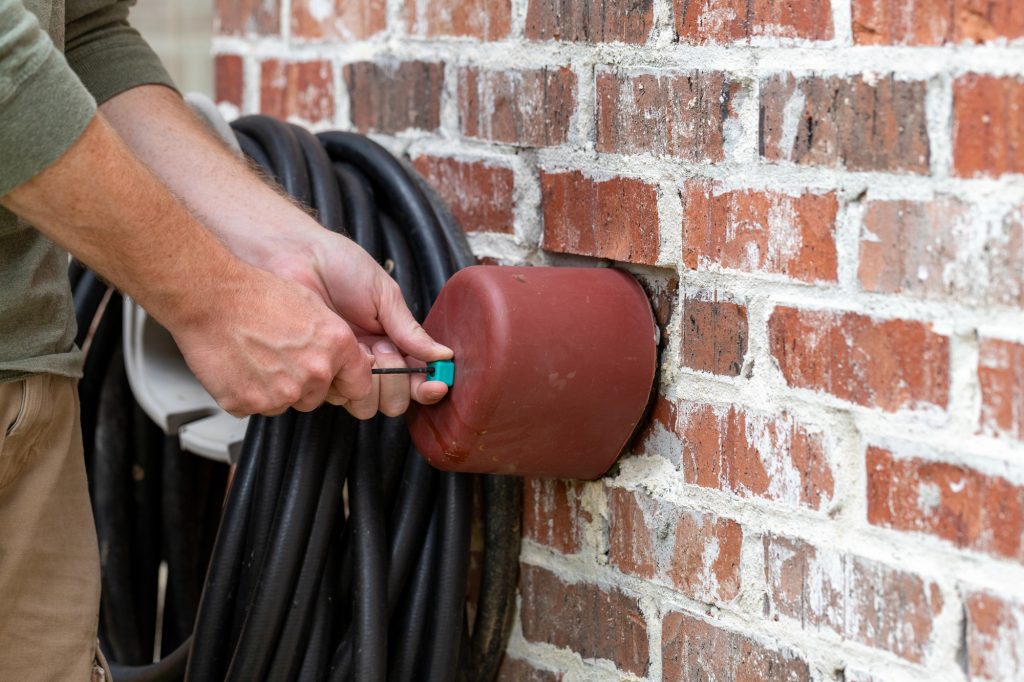
Look for cracks and gaps where cold air gets in near pipes, such as around dryer vents, wiring and spots where pipes pass through walls. Seal them with caulk or insulation. Before the first hard freeze, disconnect and drain garden hoses, close the indoor valve to each outdoor faucet if you have one and open the outside spigot so leftover water can drain.
Drip Faucets and Open Cabinet Doors on Cold Nights
On very cold nights, small habits make a big difference. Let cold water drip from faucets served by exposed pipes. Moving water is much less likely to freeze, and a slow drip also relieves pressure in the line.
Open the cabinet doors under kitchen and bathroom sinks on outside walls so warm air can reach the pipes. Move cleaners and chemicals out of reach of kids and pets while the doors are open. Keep the garage door closed if water lines run through the garage, and keep your thermostat at the same temperature day and night during a cold snap.
Keep the Heat On When You Travel
Never turn the heat off while you are away in the winter, even for a short trip. The Red Cross recommends keeping your thermostat set no lower than 55°F while you are gone.
Before you leave, ask a neighbor or friend to check on the house if a cold snap hits. Make sure you know where your main water shutoff valve is and how to turn it off. Some homeowners also add an automatic water shutoff system that turns off the water when it senses a leak, which adds peace of mind while you are away.
What to Do If a Pipe Freezes
If you turn on a faucet and only a trickle comes out, a pipe may be frozen. Keep the faucet open so water can flow as the ice melts. Then warm the frozen section with a hair dryer, an electric heating pad or towels soaked in warm water, starting near the faucet and working back.
Frozen Pipe FAQs
Should I drip hot or cold water to prevent frozen pipes?
The American Red Cross recommends letting cold water drip from faucets served by exposed pipes. A slow, steady drip is enough. Moving water is less likely to freeze and helps relieve pressure in the line.
Can frozen pipes thaw on their own?
Sometimes they do as temperatures rise, but waiting is risky. Ice can keep building pressure inside the pipe and cause a crack that leaks once it melts. It is safer to thaw the pipe gently or call a plumber.
Is it safe to use a space heater to thaw pipes?
A portable space heater can help warm the area around a frozen pipe if you keep it away from anything flammable and never leave it unattended. Never use a torch, a kerosene or propane heater, or any other open flame. If the pipe is hard to reach, call a plumber instead.
How do I know if a pipe burst inside a wall?
Signs include water stains, bubbling paint, damp drywall, a musty smell or the sound of running water when everything is turned off. A sudden jump in your water bill can also point to a hidden leak. Turn off the main water valve and call a plumber for leak detection.
Should I turn off my water when I go on vacation in winter?
Turning off the main water valve can limit damage if a pipe breaks while you are away. Keep the heat on at 55°F or higher either way. If you have questions about your home, call Cantrell Plumbing at (913) 944-2090.